
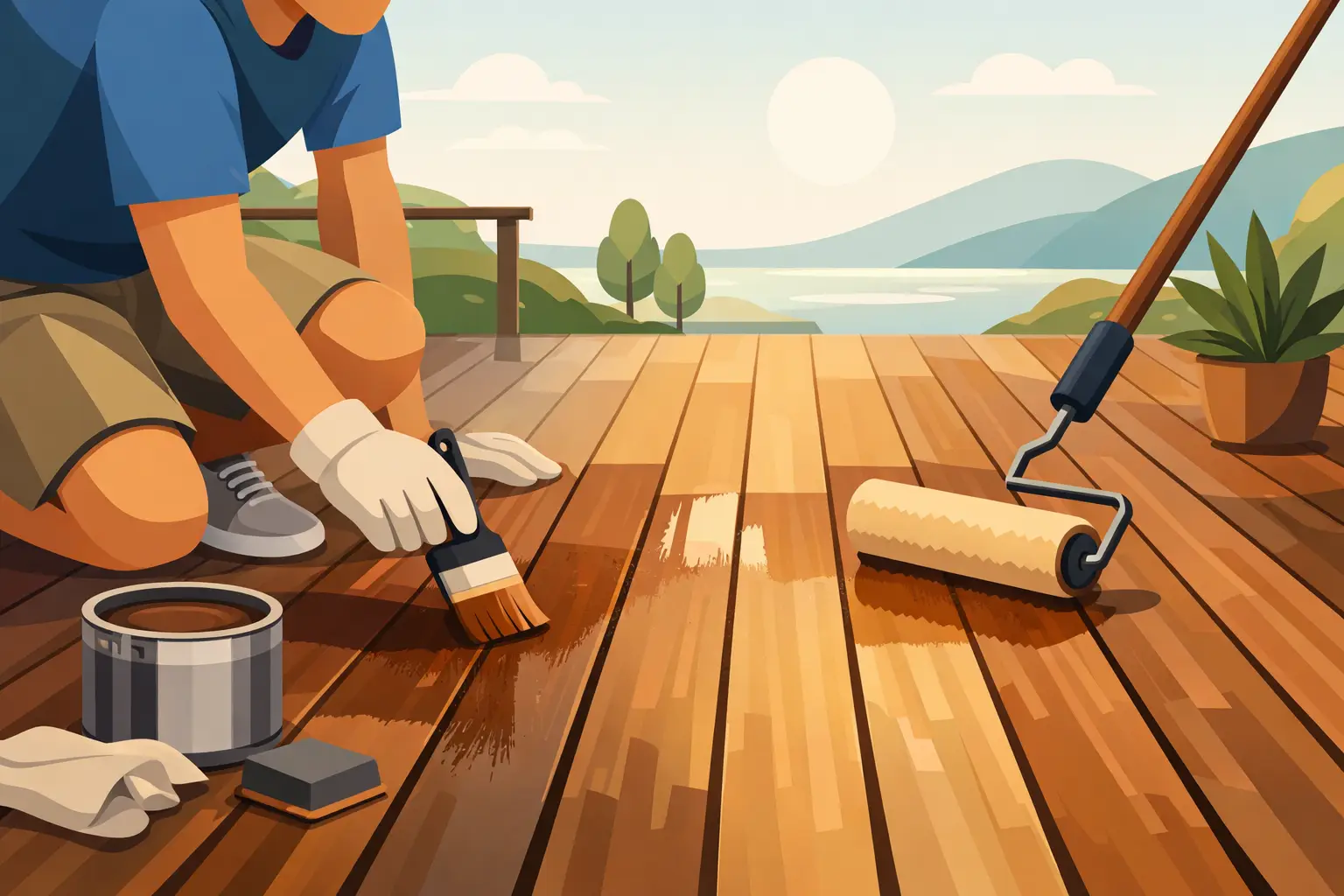
A deck can look tired long before the timber is actually worn out. In Adelaide, sun, foot traffic, winter moisture and general outdoor use all take their toll. If you want to know how to varnish timber deck surfaces properly, the job comes down to one thing more than anything else – preparation. A good finish is not just about the product you choose. It is about getting the timber clean, dry, smooth and ready to hold that coating for the long haul.
Varnishing a deck is not quite the same as coating indoor timber. Exterior decks deal with UV, movement, dirt, furniture scrapes and weather shifts, so the finish needs to do more than look good on day one. It needs to protect the timber while still allowing for regular maintenance down the track.
Before you varnish, check whether varnish is the right finish
This is the part many people skip. Not every deck should be varnished.
Traditional high-gloss varnish can look sharp at first, but on exposed outdoor decking it often needs more upkeep than people expect. If the deck gets full sun or regular weather exposure, some exterior oils or specialist timber coatings can be more forgiving and easier to maintain. A film-forming varnish can peel or crack once moisture gets underneath, especially if the prep was rushed or the product was not suited to outdoor use.
That does not mean varnish is the wrong choice every time. If you are working with a covered deck, a verandah, or a timber entertaining area that you want to give a richer, more polished look, a quality exterior-grade varnish or marine-style clear finish may suit it well. The key is choosing a product made for external timber, not an interior coating pushed into outdoor service.
How to varnish timber deck surfaces the right way
The actual application is only one stage of the job. Most problems happen before the first coat even goes on.
Start with a proper clean
Any dirt, mould, old residue, grease from outdoor cooking, leaf stain or loose coating has to come off first. Sweep the area thoroughly, then wash the deck with a timber deck cleaner suited to exterior use. If there is mould or mildew, treat that as well rather than coating over it.
Pressure washing can help, but it needs care. Too much pressure can fur up the timber surface or gouge softer boards. A controlled wash is better than blasting the life out of it. Once washed, the deck needs to dry fully. In Adelaide conditions that may be a day or two, but it depends on shade, temperature and airflow.
Sand back what needs sanding
If the deck has old peeling finish, rough grain, splinters or uneven wear, sanding matters. On a weathered deck, this is often what separates a patchy result from a clean, even one.
You do not always need to strip every board back to bare timber, but any failing coating needs to be removed. Sand with the grain and keep the finish even across the surface. Edges and corners usually need hand sanding to match the larger areas. After sanding, vacuum or sweep thoroughly and wipe down any remaining dust. Fine dust left on the boards will end up locked into the finish.
Check moisture before coating
This part is less exciting, but it saves a lot of headaches. Timber that still holds too much moisture can reject the coating or cause clouding, peeling and premature breakdown.
If the deck has been washed recently or there has been rain, give it more time than you think it needs. The surface might look dry while moisture still sits deeper in the boards. Warm weather helps, but shaded decks can hold moisture longer.
Choosing the right varnish for an outdoor deck
A deck needs an exterior-grade product with UV resistance and flexibility. Standard indoor varnish is not enough.
Water-based and oil-based options both have their place. Water-based products generally dry faster, have lower odour and tend to stay clearer over time. Oil-based products can enrich the natural tone of the timber and may give a deeper finish, but they usually take longer to dry and can amber more as they age.
The best choice depends on the timber species, the amount of exposure and the look you want. A natural low-sheen finish is often more practical than a high-gloss one on a deck, simply because it shows less wear and tends to be easier to maintain. On busy outdoor areas, practicality usually wins.
Applying varnish without creating problems
Once the deck is clean, dry and ready, the application itself should be steady and methodical.
Pick the right weather
Do not varnish in direct harsh sun if you can avoid it. The product can flash off too quickly, which affects levelling and can leave lap marks. Very cold conditions are no good either, and neither is a day when rain is due before the coating has cured.
A mild, dry day is ideal. Early morning can work well once any dew has gone. Late afternoon can also suit, as long as temperatures are not dropping too quickly.
Work in sections and keep a wet edge
Use a quality brush or applicator recommended for the product. Cheap tools often leave fibres, streaks or uneven build. Apply with the grain and work board by board where possible. That helps maintain a consistent finish and reduces overlap marks.
Do not overload the surface. Thick coats are not better coats. They take longer to cure, are more likely to wrinkle, and can fail sooner under foot traffic. Two or three properly applied coats will usually perform better than one heavy one.
Respect drying and recoat times
This is where impatience gets expensive. If the label says to wait before recoating, wait. If it says light sanding is required between coats, do it.
Each coat needs time to bond and cure properly. Walking on the deck too soon, moving furniture back too quickly or recoating before the previous layer is ready can spoil the finish. Exterior coatings need proper curing time, not just touch-dry time.
Common mistakes when varnishing a timber deck
A lot of deck problems come back to the same issues. People coat over dirty timber, apply product in poor weather, use the wrong finish, or try to rush the recoat window. Another common one is ignoring failing boards or minor repairs. If a board is cracked, lifting or holding moisture, a new finish will not fix that.
There is also the question of maintenance. Even a well-varnished deck is not a set-and-forget surface. Outdoor timber needs ongoing care. Leaves should not be left to sit and stain. Water should not be allowed to pond. Furniture should have protective pads where possible. The better the day-to-day care, the longer the finish will hold up.
When to call in a professional
Some decks are straightforward. Others are not.
If the timber has heavy weathering, multiple old coatings, uneven grey patches, mould problems or widespread peeling, professional prep can save a lot of trial and error. The same goes for larger decks where keeping the finish even across the whole area is harder than it sounds. Good deck coating work is not just about brushing on product. It is about knowing what the timber is doing, what coating system suits it and how to get a durable finish without shortcuts.
For property owners who want the job handled properly from cleaning and sanding through to final coats and clean-up, bringing in an experienced local team can be the simpler option. Shine Painters Adelaide handles deck varnishing and timber coating work with the same focus we bring to every exterior surface – proper prep, tidy work and finishes that are built to last.
How to keep a varnished deck looking good
Once the job is done, ongoing care makes a real difference. Keep the deck clean with regular sweeping and occasional gentle washing. Avoid harsh cleaners unless they are suited to coated timber. Keep an eye on high-traffic spots, exposed edges and areas near doorways where wear tends to show up first.
When you notice the finish dulling or thinning, maintenance coating is usually better than waiting for full failure. Recoating early is generally faster, cheaper and less disruptive than stripping everything back after the surface has broken down.
A timber deck adds a lot to a home or commercial outdoor area, but only when the finish is doing its job. Done properly, varnishing brings out the grain, lifts the overall look and helps protect the boards from hard outdoor conditions. The trick is not rushing it. Give the prep the attention it deserves, choose a coating made for the job, and treat the deck like an exterior surface that needs real protection, not just a quick cosmetic touch-up.