
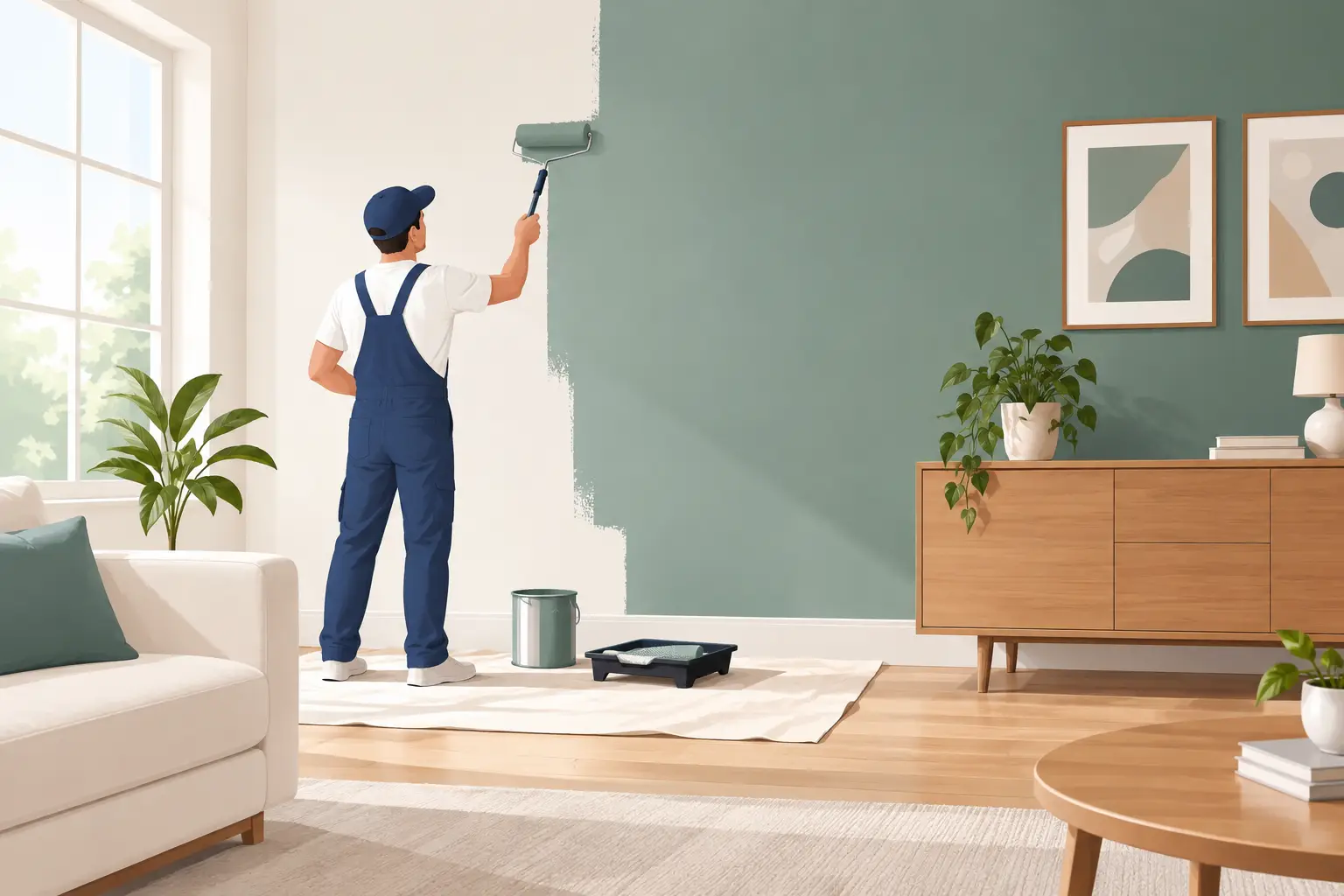
A freshly painted room can make an older Adelaide home feel cared for again, but the difference between a quick refresh and a finish that holds up is rarely the paint colour alone. Interior painting is a job where the preparation shows through. Cracks, patchy repairs, greasy walls and poorly sanded surfaces can spoil even the best paint within months.
Whether you are updating your family home, preparing a rental for new tenants or giving a workplace a more professional look, the work needs to be planned properly. That means choosing suitable products, repairing surfaces before painting starts and allowing enough time for each coat to dry and cure.
Interior Painting Starts Before the First Coat
Painting directly over damaged or dirty walls is one of the most common causes of peeling paint, uneven sheen and visible marks. A good result begins with a close inspection of every room, including walls, ceilings, doors, skirting boards, window frames and built-in cabinetry.
Small nail holes, dents and hairline cracks need filling. Larger movement cracks may need a more suitable repair method so they do not simply reappear under fresh paint. Stains from water, smoke or grease often need sealing before top coats are applied, otherwise they can bleed through and ruin the finish.
Surfaces should also be cleaned where needed. Kitchen walls, hallways and areas around light switches collect more grime than people realise. Paint needs a sound, clean surface to bond to. Skipping this step may save time on day one, but it often creates problems later.
Sanding matters just as much. It smooths patched areas, removes loose material and gives previously painted glossy surfaces enough grip for new paint. Dust must then be removed carefully. A neat painter knows that a speck of dust can stand out sharply once light catches a newly painted wall.
Choosing Colours That Work in Real Rooms
A colour card can look very different once it covers four walls. Natural light, the direction of the room, existing flooring and the type of artificial lighting all affect how a colour reads throughout the day.
Light neutrals remain a practical choice for rental properties and homes being prepared for sale because they make rooms feel open and suit most furnishings. That does not mean every space needs to be plain white. Warm whites can soften rooms with timber floors, while cooler neutrals may suit contemporary finishes and strong natural light.
For occupied homes, colour can do more work. A deeper feature wall can add character to a bedroom or living area, while a quieter palette in hallways and open-plan spaces helps the home feel connected. The right choice depends on how the room is used, not simply what is trending online.
Finish is part of the decision too. Flat or low-sheen paint is often preferred on ceilings and broad wall areas because it reduces glare and helps disguise minor imperfections. Washable low-sheen or satin products can be a better fit for busy family areas. Semi-gloss finishes are commonly used on doors, trims and skirting boards because they are hard-wearing and easier to clean, although they will highlight poor surface preparation.
Consider Adelaide Conditions Indoors
Adelaide’s dry summers, cooler winters and changing indoor temperatures can affect paint drying times and ventilation. Rooms should be aired appropriately, but excessive dust and draughts need to be managed while paint is wet. Bathrooms, laundries and kitchens also need products suited to moisture and regular cleaning.
If a room has recurring mould, bubbling paint or water staining, painting over the issue is not a proper repair. The source of moisture should be addressed first. Once the surface is dry, stable and treated correctly, it can be repainted for a finish that lasts.
A Professional Interior Painting Process
A reliable painting job should feel organised from the start. Before work begins, furniture is moved or protected, floors are covered and adjacent surfaces are masked where required. Care around furnishings, carpet and timber flooring is not an optional extra. It is part of leaving a property in good order.
After preparation, primer is applied where the surface calls for it. New plaster repairs, bare timber, stain-affected areas and significant colour changes may all need a suitable primer or sealer. This helps create an even base and can improve coverage of the finish coats.
Quality top coats are then applied evenly, generally in more than one coat. The correct number depends on the colour change, the existing surface and the paint system being used. Rushing to cover a wall in one heavy coat can lead to runs, poor drying and an uneven result. Thin, controlled coats with proper drying time produce a cleaner finish.
Cutting in around ceilings, cornices, windows and switches takes patience. So does keeping a wet edge when rolling larger walls. These are the details that separate a tidy, consistent result from visible lap marks and rough edges.
At the end of the job, masking is removed carefully, touch-ups are completed and the area is cleaned. A final walk-through gives the owner or manager a chance to check the finished work and raise any questions before the painters leave.
Interior Painting for Homes, Rentals and Businesses
The right approach changes with the property.
For homeowners, the focus is usually on appearance, durability and minimising disruption. Painting can be staged room by room if needed, allowing households to keep using most of the home. It is also a good opportunity to repair scuffed walls, update tired trim colours and bring separate spaces into a more consistent look.
For landlords and property managers, timing and durability are often the priority. Rental property repainting needs to be efficient, but it should not mean cutting corners. Scuff marks, damaged plaster, old picture hooks and stained walls should be dealt with properly so the property presents well for inspections and incoming tenants.
Commercial interiors need a practical plan around staff, customers and trading hours. Offices, retail spaces and hospitality venues may need work completed after hours, over a weekend or in stages. Colour choices should suit the business environment, while hard-wearing finishes are particularly useful in corridors, reception areas and high-touch spaces.
When a Repaint Is Worth Doing
Some signs are obvious: peeling paint, large stains, fading, cracks and obvious wall damage. Others are more subtle. A room may feel darker than it should, look dated beside newer flooring, or have a patchwork of touch-ups that no longer blend.
Repainting before a property is listed can also be worthwhile where walls are heavily marked or colours are very personal. It will not solve every presentation issue, but clean, well-finished walls make it easier for buyers and tenants to focus on the space rather than the work they think they will need to do.
There are situations where paint alone is not enough. Persistent cracking, damp patches, loose plaster or damaged timber should be assessed and repaired first. Honest advice matters here. The goal is not to cover a problem temporarily, but to leave a surface ready for a durable coating.
Getting Better Value From the Job
The cheapest quote is not always the lowest overall cost. A rushed job can mean repainting sooner, repairing damage caused by poor protection or living with visible flaws every day. When comparing painters, ask what preparation is included, how repairs are handled, what paint system is proposed and whether cleanup is part of the service.
Clear scope matters as well. Confirm which rooms, surfaces and trims are included, whether ceilings are part of the price, and who will move or protect larger items. This avoids assumptions and makes it easier to compare quotes fairly.
A licensed and insured local team brings added peace of mind, particularly where repairs, access requirements or tight handover dates are involved. Shine Painters Adelaide approaches each project with that practical mindset: prepare thoroughly, protect the property, apply the right products and leave a finish that customers are proud to show off.
Fresh paint should make a space easier to enjoy, lease or work in – not create another job to fix later. When the preparation is done properly and the finish suits the room, interior painting becomes one of the most straightforward ways to improve a property for years to come.