
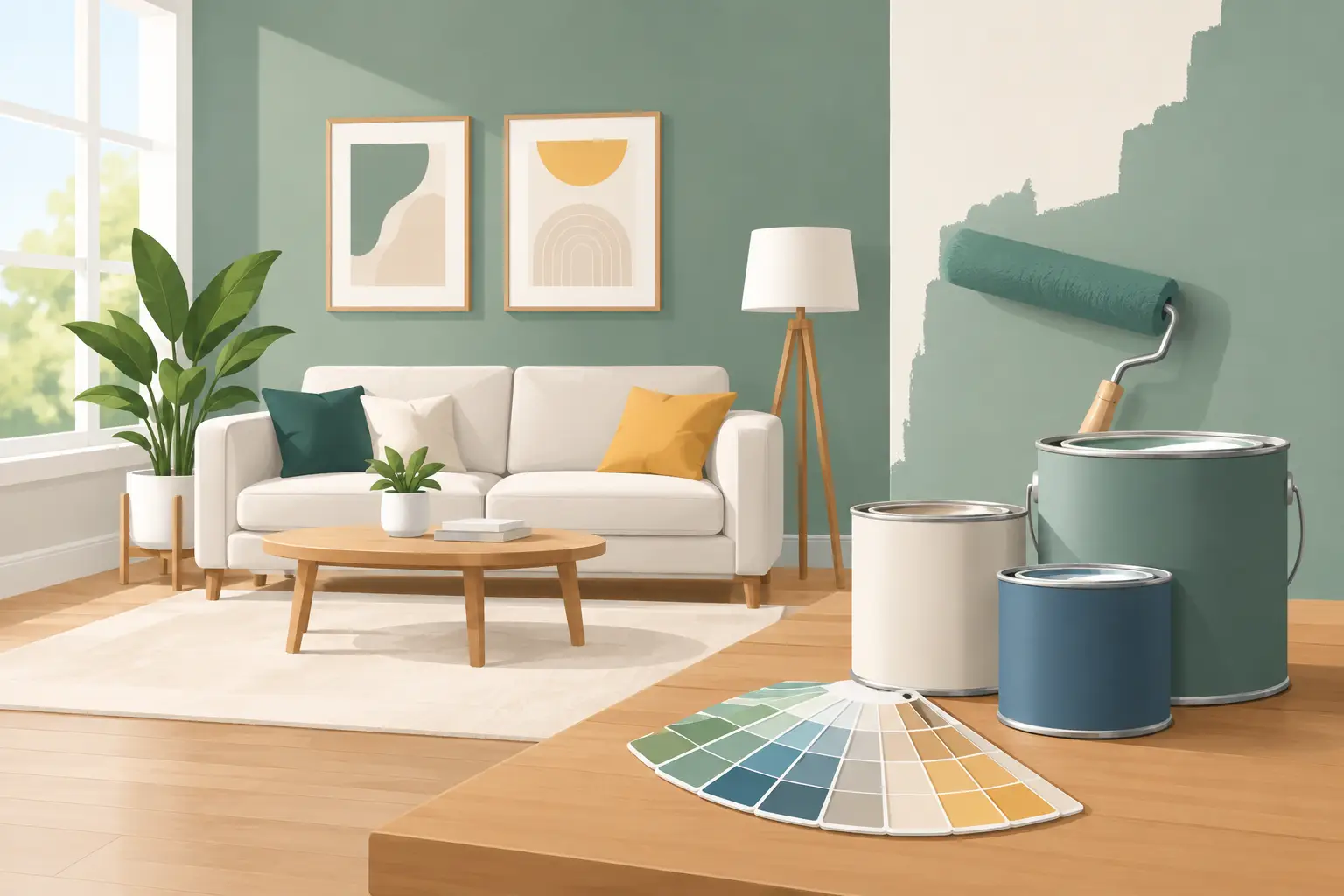
A fresh wall colour can make a tired room feel properly looked after, but the wrong paint choice shows up quickly. Scuff marks around the hallway, streaks on a bathroom ceiling or patchy touch-ups in the lounge can turn a simple refresh into more work. So, what is best interior house paint? For most Adelaide homes, it is a quality low-VOC water-based acrylic chosen in the right sheen for the room, applied over sound, well-prepared surfaces.
The brand on the tin matters, but it is only part of the answer. A durable finish comes from matching the paint to the surface and the way the room is used, then doing the preparation properly before the first coat goes on.
What Is Best Interior House Paint? Start With the Room
There is no single paint that is best for every wall, ceiling, door and wet area. A family room with children and pets needs a washable wall finish. A ceiling needs low reflectivity to hide small imperfections. Bathrooms need better resistance to moisture and condensation.
For most interior walls, a premium water-based acrylic is the practical choice. It dries faster than oil-based paint, has lower odour, is easier to clean up with water and stays more flexible over time. Quality acrylic paints also hold their colour well and are less likely to yellow, which is particularly useful on white trims and light neutral walls.
Low-VOC options are worth considering, especially in bedrooms, nurseries, occupied homes and commercial spaces where disruption needs to be kept to a minimum. Low VOC does not automatically mean low quality. Look for a reputable interior formulation with good coverage, scrub resistance and the right sheen level rather than choosing solely on the lowest odour claim.
Choose the Right Sheen Before Choosing the Colour
Paint sheen describes how much light a finish reflects. It affects the look of the room, how easily the surface cleans, and how visible wall flaws will be. This is where many paint jobs go wrong: a high-sheen coating may be hard-wearing, but it can highlight every dent, plaster join and roller mark under afternoon sunlight.
Flat or matt paint for ceilings and quiet rooms
Flat or matt paint has very little shine. It is the usual choice for ceilings because it softens reflected light and helps disguise minor surface variation. It can also suit formal living areas, adult bedrooms and walls in good condition where a soft, modern finish is the priority.
The trade-off is washability. Some premium matt paints are designed to be cleaned, but a basic flat paint can mark more easily than low-sheen alternatives. In busy areas, check the paint is rated for scrubbing rather than assuming all matt finishes perform the same.
Low sheen for most interior walls
Low sheen is often the best all-round interior wall paint for Adelaide homes. It gives a subtle finish, is easier to wipe down than flat paint and does not reflect light as strongly as a glossier coating. That balance makes it well suited to lounges, dining rooms, bedrooms, hallways and rental properties.
It is not completely forgiving, though. Poor patching, sanding scratches and uneven application can still show, especially on darker colours or walls that receive strong natural light. Careful preparation and even roller work make a real difference.
Semi-gloss and gloss for trims, doors and hard-wearing areas
Semi-gloss is commonly used on skirting boards, architraves, doors, window frames and cabinetry because it is tough and easy to clean. Gloss offers even more shine and durability, although it exposes imperfections more clearly and can feel too reflective for some interiors.
For painted cupboards or heavily used internal doors, a purpose-made water-based enamel is usually a better choice than ordinary wall paint. It is formulated to cope with knocks, fingerprints and regular cleaning while giving a smoother finish.
Match Paint to Moisture, Wear and Surface Condition
Kitchens, bathrooms and laundries need more than a standard wall coating. Steam, condensation, cooking residue and regular cleaning put extra pressure on paintwork. Use a quality washable interior paint in the kitchen, and choose a bathroom-specific product where moisture and mould are ongoing concerns.
Paint alone will not solve a ventilation problem. If a bathroom ceiling is peeling or showing mildew, the cause may be inadequate extraction, water leaks or persistent condensation. The affected area needs to be cleaned, repaired and fully dry before repainting. Otherwise, even expensive paint may fail prematurely.
Older homes can bring another issue: walls that have been painted many times, patched after movement or marked by old water stains. Stains need a suitable sealer, cracks need proper filling, and loose or flaking coatings need to be removed. Applying a new topcoat over an unstable surface is a shortcut that rarely lasts.
Why Preparation Matters as Much as the Paint
A smooth, long-lasting finish is built before the colour goes on. Walls should be cleaned to remove dust, grease and hand marks, particularly around switches, kitchens and high-traffic corridors. Small dents and cracks need filling, then sanding so repairs sit flush with the surrounding surface.
Glossy existing paint may need sanding to create a sound key for the next coat. Bare plasterboard repairs, exposed timber, stains and major colour changes may also need primer. Primer is not simply an extra cost. It helps create an even base, improves adhesion and can reduce the risk of patchy coverage.
This matters even more when changing from a dark wall to a pale colour, or when using deep blues, greens, reds and charcoal shades. These colours can need additional coats to achieve full depth and even coverage. A professional painter will allow for this upfront rather than promising a one-coat result that leaves the finish thin and uneven.
Paint Quality: Where Spending More Pays Off
Budget paint can look acceptable on the day it is applied, but the difference often appears later. Lower-grade products may need more coats, cover less evenly, scuff sooner and be harder to touch up without visible flashing. A premium interior paint generally contains better binders and pigments, giving improved hiding power, colour consistency and washability.
That does not mean every surface needs the most expensive product available. A low-traffic spare room may not need the same scrub resistance as a rental hallway or a busy family kitchen. The sensible approach is to invest where wear is highest and select a reliable, compatible system for the whole job.
For landlords and property managers, low-sheen washable paint in a neutral colour is often a practical choice. It keeps the property looking clean between tenancies, makes minor marks easier to manage and provides a broadly appealing finish for inspections. Keeping an accurate record of the colour and sheen also makes future touch-ups much simpler.
Selecting Colours That Will Still Feel Right in Three Years
The best interior paint colour depends on the light, fixed finishes and purpose of the room. A warm white may soften a south-facing room, while a cooler neutral can work well in spaces with abundant warm sunlight. Before committing, test large sample patches on more than one wall and look at them in morning, afternoon and artificial light.
Adelaide homes often have bright natural light, which can make undertones more obvious. A beige that looks calm in a showroom may read yellow in one room, while a pale grey can appear blue in another. Floorboards, tiles, benchtops and curtains all influence the final result.
For a connected home, use a small, considered palette rather than selecting every room in isolation. You can still create interest through a darker study, a feature wall or stronger colour on internal doors. The key is making sure transitions between spaces feel intentional.
When Professional Application Is Worth It
Painting a single bedroom can be a manageable weekend task if the walls are sound and you have the time to prepare properly. Larger repaints, high ceilings, damaged plaster, stained surfaces, rental turnarounds and detailed trim work are different jobs. They need the right equipment, product knowledge and a tidy process to avoid avoidable repairs and disruption.
A professional painter should assess the surfaces before quoting, explain what preparation is required and specify the type of finish being used. At Shine Painters Adelaide, that means treating repairs, protection of floors and furniture, clean application and final clean-up as part of the job, not optional extras.
The best interior house paint is the one that suits the room, stands up to daily life and is applied to a properly prepared surface. Pick a finish you can maintain, allow for the condition of the walls, and do not rush the work that sits underneath the final coat. A well-painted room should look good when the furniture goes back in and still feel worth the investment years later.