
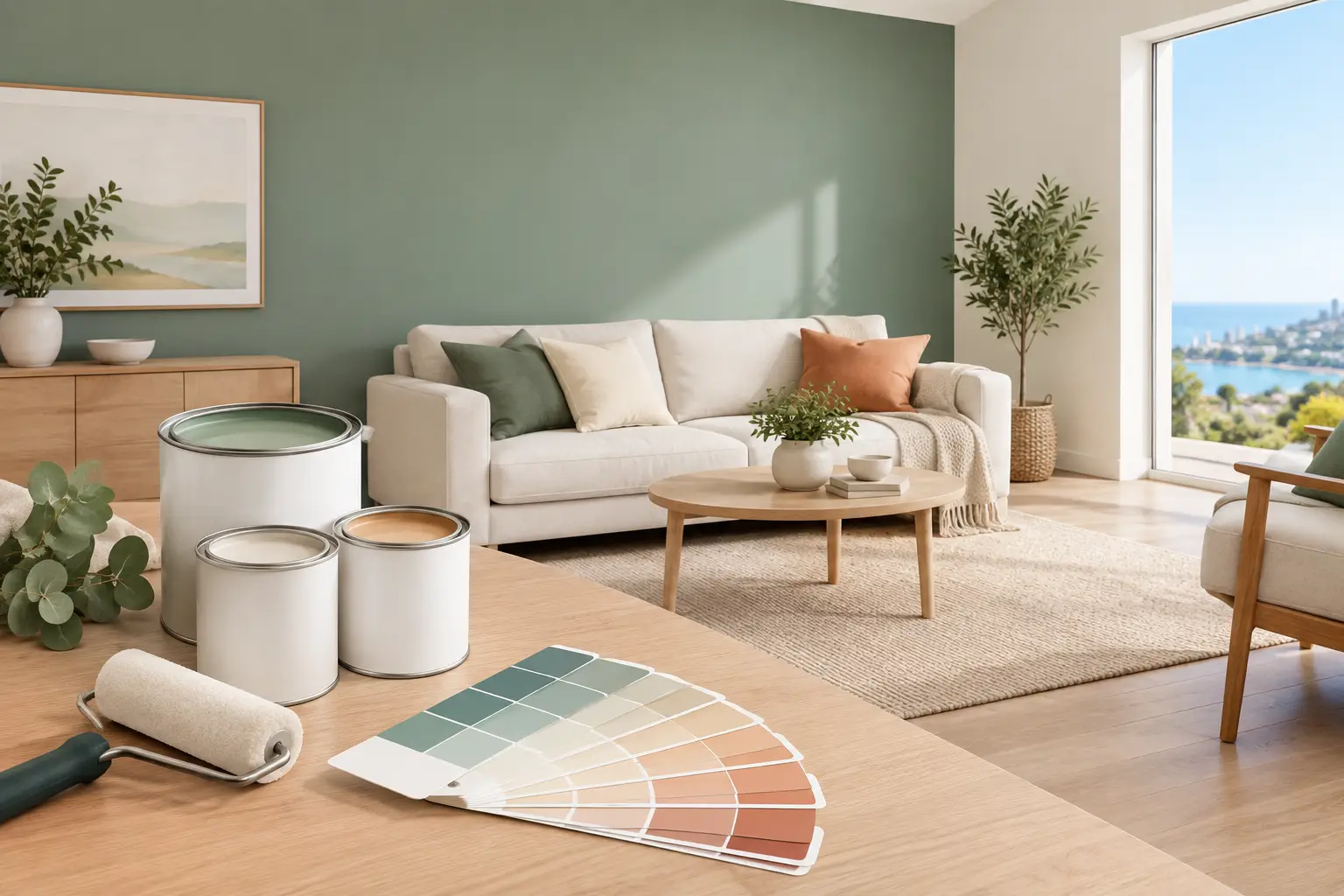
A fresh coat can make a tired room feel properly looked after, but only if the paint suits the space and the surface underneath it. The best interior house paint Australia homeowners can buy is not always the most expensive tin on the shelf. It is the paint system that gives you the right finish, stands up to daily life, and is applied over well-prepared walls.
For an Adelaide family room, that usually means washable low-sheen paint. For a rental property, it may mean a hard-wearing neutral finish that can be touched up between tenants. In a bathroom or laundry, moisture resistance matters more than a perfect matte look. Choosing well at the start prevents patchy repairs, scuff marks that will not wash off, and another repaint sooner than expected.
What makes the best interior house paint in Australia?
Good interior paint needs to do more than cover the previous colour. It should have reliable opacity, a consistent sheen, low odour, and enough durability for the way the room is used. Australian homes also deal with strong light, dry conditions, changing temperatures and plenty of dust. These factors can expose a poor-quality finish quickly.
Paint quality is often judged by how many coats it takes to achieve even coverage. That matters, but it is only part of the job. A quality paint should also flow smoothly from brush or roller, dry evenly and resist marking once cured. Better paints generally use more quality binders and pigments, which helps the coating form a tougher, more consistent film.
The surface is just as important. Fresh plasterboard, stained walls, old glossy paint and repaired cracks each need different preparation. Even premium paint cannot hide rough sanding, failed filler or greasy marks around light switches. No shortcuts in preparation means a smoother finish and better long-term value.
Choose the finish before choosing the colour
The same colour can look completely different in matte, low sheen or semi-gloss. More importantly, the finish determines how practical the wall will be to clean and how much it will reveal surface imperfections.
Matte and flat paint
Matte paint gives a soft, modern look and is excellent at disguising minor undulations in older walls and ceilings. It is a popular choice for bedrooms, formal living spaces and ceilings where there is less hands-on traffic.
The trade-off is cleanability. Some modern washable matte products perform very well, but matte finishes generally need a lighter touch than low sheen. In busy hallways, homes with young children or rental properties, a standard flat paint can show marks sooner than expected.
Low sheen paint
Low sheen is the practical all-rounder for most interior walls. It has a subtle finish, reflects less light than glossier paints, and is generally easier to wipe clean than matte. It works particularly well in living rooms, hallways, kitchens, bedrooms and entry areas.
For many Adelaide homes, a premium washable low sheen is the sensible choice. It offers a neat finish without highlighting every small wall imperfection, while providing enough durability for everyday scuffs, fingerprints and the occasional furniture bump.
Semi-gloss and gloss paint
Semi-gloss is tougher and easier to clean, making it suitable for skirting boards, doors, architraves, window frames and cabinetry. Gloss offers even more shine and durability, although it shows surface flaws more readily and needs careful sanding and priming.
Using semi-gloss on trims alongside low sheen walls creates a clean, traditional contrast. The key is consistency. If doors, frames and skirtings are heavily worn, painting only one element can make the others look more tired by comparison.
Match the paint to the room
There is no single product that is best everywhere. The right paint depends on moisture, traffic, ventilation and what the room needs to cope with.
Kitchens benefit from washable wall paint because cooking residue can settle on nearby surfaces. Bathrooms and laundries need a moisture-resistant paint system, plus good ventilation. If mould is present, it must be cleaned and the cause addressed before repainting. Painting over active mould is not a lasting repair.
Bedrooms and living rooms allow more freedom. A low-sheen or washable matte finish can both work well, depending on the look you prefer and how smooth the walls are. For a child’s room, low sheen is usually the safer option for cleaning crayon, fingerprints and day-to-day marks.
Rental properties need a slightly different approach. A durable, readily available neutral colour in a washable low sheen makes future touch-ups and turnover work simpler. Very dark feature walls, ultra-matte finishes and unusual custom colours can look great, but they are less practical when a property needs quick repairs between tenancies.
Paint brands matter, but the range matters more
Australia has several trusted paint manufacturers, including Dulux, Haymes, Taubmans and Wattyl. Each offers entry-level, trade and premium interior ranges. Rather than asking which brand is best overall, compare the specific product against the room and the job at hand.
Look for clear information about washability, stain resistance, low-VOC or low-odour properties, recommended surfaces and sheen level. Premium interior ranges are often worth the extra cost in high-use areas because they cover more evenly and cope better with cleaning. For a ceiling in a low-traffic room, a specialised ceiling paint may be the better spend than a top-tier wall coating.
Be cautious with cheap paint chosen solely because the tin costs less. If it requires extra coats, marks easily or needs repainting after a short period, the savings disappear. Labour and preparation are the largest parts of most painting projects, so it makes sense to use a coating that protects that work.
Do not skip primer and repairs
Primer is not always required for sound, previously painted walls that are being recoated in a similar colour. However, it is essential in many common situations: bare plasterboard, patches of fresh filler, repaired water stains, raw timber, glossy surfaces, strong colour changes and areas affected by nicotine or tannin bleed.
Spot-priming repairs helps prevent flashing, where patched sections show through as dull or shiny areas after the topcoat dries. On extensive repairs or a bare surface, a full primer coat creates an even base for the finish coats.
Before painting, walls should be cleaned, loose paint removed, cracks filled, surfaces sanded smooth and dust wiped away. Glossy trims need a proper sand for adhesion. If there is water damage, find and fix the leak first. These steps take time, but they are what separate a paint job that looks good for a month from one that continues to look sharp years later.
Colour is about light, not just the sample card
Adelaide’s bright natural light can make colours read lighter and cooler than they appear under shop lighting. A grey that looks warm on a small card may look blue in a south-facing room, while creamy whites can appear much yellower in strong afternoon sun.
Test sample patches on more than one wall and view them in the morning, afternoon and at night with the lights on. Leave enough space around each sample to see the true colour. It is also worth checking the selected white against existing tiles, flooring, benchtops and curtains. Whites have undertones, and a mismatch is often more noticeable than homeowners expect.
For resale or rental preparation, warm whites, soft greiges and light neutral tones remain dependable choices. They make rooms feel brighter, suit a wide range of furnishings and allow future occupants to add personality without repainting immediately.
How much paint should you buy?
Coverage figures on tins are useful guides, but they assume smooth surfaces and correct application. Textured walls, porous repairs, darker colour changes and heavy roller loading can all affect coverage. Measure wall area, subtract large windows and doors, then allow for two full coats and some contingency.
Buying enough paint from the same batch helps maintain colour consistency. Keep a labelled tin for future touch-ups, stored securely out of heat and direct sun. Remember that touch-ups can still show if the surrounding paint has faded, been cleaned repeatedly or has a different roller texture.
A better result comes from the whole paint system
The best interior paint choice is one part of a proper job. The correct sheen, good surface repairs, suitable primer, quality rollers and enough drying time all work together. Rushing coats or painting over damp, dusty or unstable surfaces is where many otherwise good products fail.
If you are refreshing a single bedroom, careful preparation and the right washable wall paint can be a manageable project. For whole-house repaints, damaged walls, rental turnaround work or rooms with stains and peeling paint, professional preparation can save significant time and rework. Shine Painters Adelaide approaches interior work from repairs through to final cleanup, so the finish is built to last rather than simply look fresh on day one.
Choose paint for the way your home is actually used, not just for how it looks under showroom lights. A finish that handles daily wear, cleans up well and has been applied properly is the one you will still be happy to see on the walls years from now.