
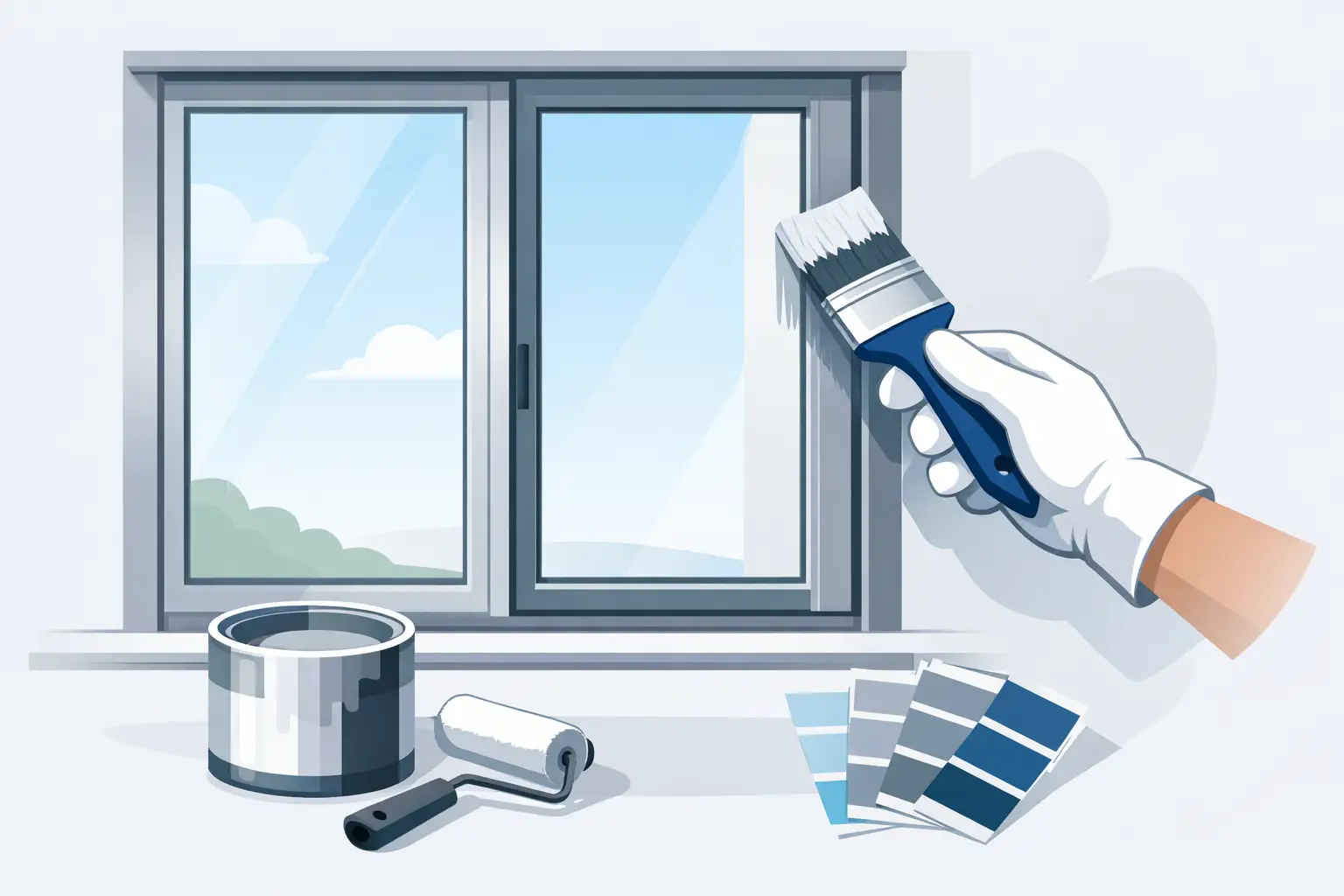
If your window frames are sound but looking tired, the question usually comes up fast: can aluminium window frames painted and still hold up well? The short answer is yes, but only if the surface is prepared properly and the right primers and topcoats are used. Aluminium is a smooth, non-porous metal, so it does not forgive rushed prep or the wrong paint system.
That is where many DIY jobs come unstuck. The finish might look fine for a few weeks, then start chipping, flaking or wearing thin around handles, corners and opening sections. When the job is done properly, painted aluminium frames can look sharp, last well and give older windows a cleaner, more modern finish without the cost of full replacement.
Can aluminium window frames be painted without replacing them?
In many cases, yes. If the frames are structurally sound, open and close properly, and do not have severe corrosion or physical damage, painting is a practical way to refresh them. This is often a smart option for homeowners updating the exterior of a house, landlords getting a rental ready for new tenants, or business owners wanting a tidier street-facing finish.
Replacement makes sense when windows are failing, badly bent, leaking or nearing the end of their service life. But if the problem is mostly cosmetic – faded powder coating, dated colour, light surface wear or patchy sun damage – painting can be a cost-effective fix. It improves appearance and adds another layer of protection against weather exposure.
The key point is that aluminium does not behave like timber. You cannot treat it as a standard repaint and expect a long-lasting result. Adhesion is everything.
Why aluminium frames need proper preparation
Most problems with painted metal start before the first coat goes on. Aluminium frames collect oxidation, airborne grime, salt residue in some areas, and general build-up from years of exposure. Even if the frame looks clean, there can be contaminants on the surface that stop paint bonding properly.
Preparation usually starts with a full clean and degrease. Any dirt, chalky residue and loose material needs to come off. After that, the surface is lightly abraded to create a profile the primer can grip to. This step matters more than many people realise. Paint sticks best to a surface that has been cleaned and keyed, not one that is glossy and smooth.
Any signs of corrosion also need attention. Aluminium does not rust like steel, but it can still oxidise and deteriorate in spots, especially in older frames or exposed coastal conditions. If that is not treated before painting, the finish can fail from underneath.
Masking is another part of the job that separates a neat result from a messy one. Glass, seals, brickwork, render and nearby trim all need protection. On occupied homes and commercial sites, clean setup and tidy work are just as important as the coating itself.
What paint works on aluminium window frames?
Not just any paint. Standard wall paint is not suitable, and even some general exterior products are a poor match for metal frames. Aluminium needs a coating system designed for adhesion and durability on non-ferrous metal.
In most cases, that means a suitable metal primer followed by a quality topcoat made for exterior use. The exact system depends on the condition of the frames, whether they are inside or outside, the existing finish, and the level of exposure to sun and weather. A frame on a protected internal courtyard does not face the same conditions as one on a western wall taking full Adelaide heat.
Finish also matters. Many clients want a clean, low-sheen or satin finish that feels modern and practical. Gloss can work, but it tends to highlight surface imperfections more easily. Colour choice matters as well. Dark colours can look great, but they absorb more heat, which can affect longevity on heavily exposed elevations if the coating system is not suited to it.
This is one of those areas where experience counts. Choosing the wrong primer or skipping it altogether is one of the quickest ways to end up with peeling edges and poor wear.
Can aluminium window frames painted in place look professional?
Yes, if the work is carried out carefully. In most homes and commercial premises, frames are painted in place rather than removed. A professional result comes down to preparation, masking, product choice and application technique.
Frames have a lot of detail packed into a small area – channels, corners, sliding sections, hardware, seals and narrow visible faces against glass. Those details need controlled application. Too much paint can cause runs, bridging or sticking points on moving parts. Too little paint can leave weak coverage or a patchy finish.
Spray application can produce a very smooth result in the right setting, but it is not always the best option for every site. Overspray risk, access, surrounding surfaces and occupancy all need to be considered. In some jobs, careful brush and roller work gives better control and less disruption. The right method depends on the property and the condition of the frames.
A proper finish should look even, feel solid and stand up to everyday use. It should not interfere with the function of the windows.
When painting aluminium frames is worth it
Painting tends to be worth considering when the frames are visually dragging down the rest of the property. This often happens during wider exterior repaints, renovation work or end-of-lease preparation. Fresh walls and trims can make old, faded frames stand out for the wrong reason.
It is also worthwhile when you want to modernise the look of a home without the cost and disruption of replacing windows. Changing frame colour can sharpen the whole façade, especially on brick homes, rendered exteriors and properties with dated bronze or cream aluminium finishes.
For landlords and agents, it can be a practical upgrade. Well-presented windows help a property feel looked after. For commercial premises, clean frames improve street appeal and support a more polished first impression.
That said, it is not the right move for every frame. If the existing coating is failing badly across all surfaces, if there is major corrosion, or if the hardware and seals are at the end of their life, replacement may be the better long-term investment.
Common mistakes that shorten the life of the finish
The biggest mistake is underestimating the prep. A quick wash and topcoat might look acceptable at first, but poor adhesion usually shows up fast. Another common issue is painting over chalky, oxidised aluminium without removing the degraded surface layer.
Using the wrong products causes problems too. Some paints dry hard but brittle, which can lead to cracking or edge failure on frames that expand and contract with heat. Others simply do not bond well enough to smooth metal.
Then there is the temptation to rush recoat times or paint in poor conditions. Heat, wind, direct sun and moisture can all affect how the coating lays down and cures. Adelaide weather can be hard on exterior surfaces, so timing matters.
Messy application is another avoidable issue. Paint on seals, tracks or glass spoils the finish and can affect operation. This is why many property owners prefer experienced painters who already understand the detail work involved in metal and aluminium painting.
How long does painted aluminium last?
There is no single answer, because lifespan depends on prep quality, product selection, exposure and general wear. A professionally prepared and coated frame will usually last far longer than a rushed DIY attempt. External frames in full weather will naturally face more stress than sheltered internal ones.
Strong sun exposure, driving rain, airborne salt and frequent window use can all shorten coating life over time. Even so, a well-executed paint system should give you years of improved appearance and protection before it needs attention again.
Maintenance helps. Gentle cleaning and keeping frames free of heavy grime will support the finish. Leaving dirt, cobweb build-up and residue on painted metal for long periods can wear the surface down faster than many people expect.
Is it a DIY job or better left to professionals?
For a handy person, small aluminium painting jobs can be done at home. But window frames are more technical than they first appear. The surface prep is fussy, the paint system needs to be right, and neat application around glass and moving parts takes patience.
On upper-storey homes, occupied rentals and commercial sites, the job becomes more than just painting. Access, masking, safety, timing and clean presentation all come into play. If the goal is a durable finish that looks sharp and does not create extra maintenance later, professional application is usually the safer option.
At Shine Painters Adelaide, this is the kind of work where doing it properly matters more than doing it quickly. Aluminium frames can absolutely be painted, but the result depends on the care taken before, during and after the coating goes on.
If your frames are dated but still in good shape, painting can be a smart way to lift the whole property without tearing out perfectly serviceable windows. Get the prep right, choose the right coating system, and the finish will reward you for it.