
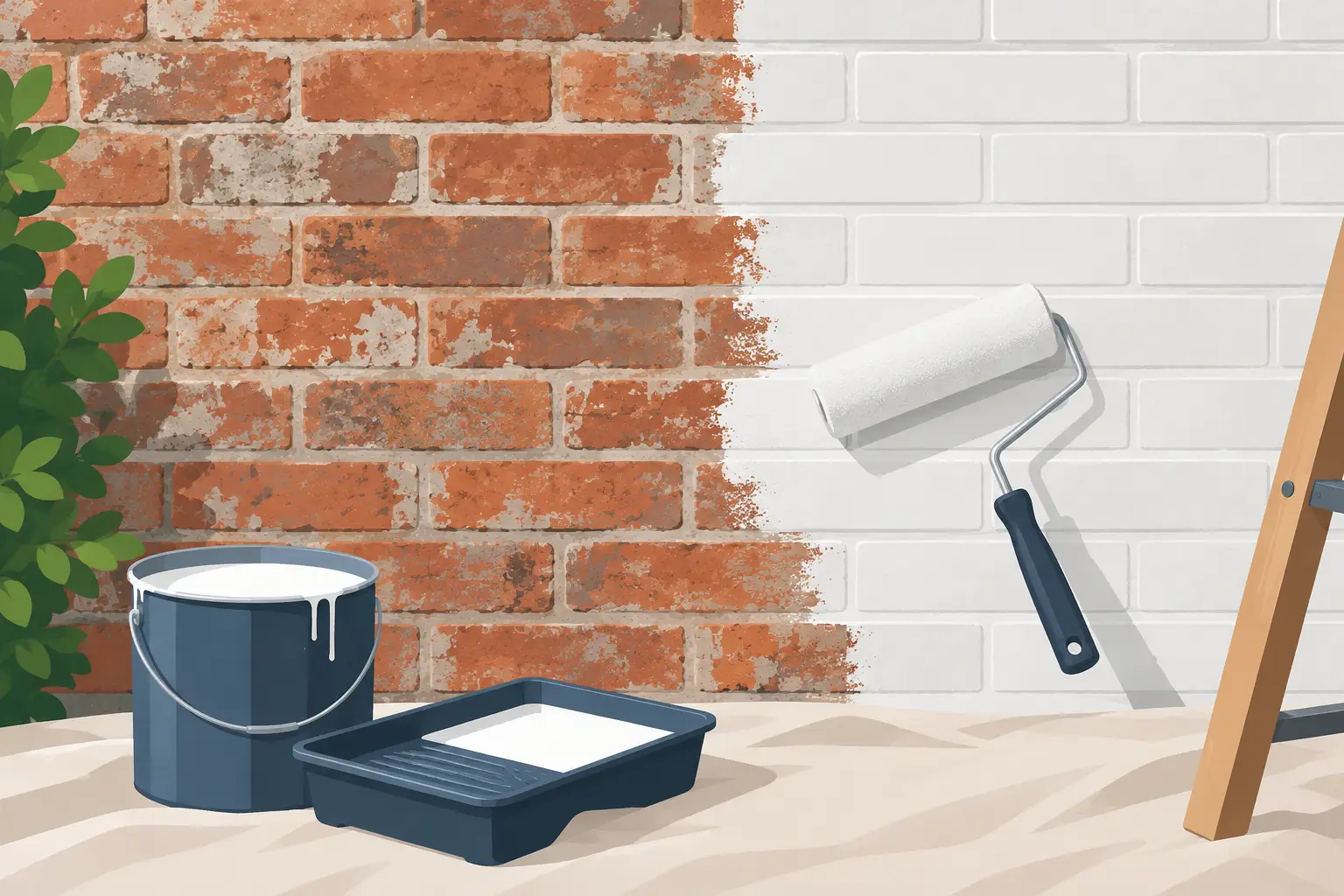
Weathered brick can make an otherwise well-kept property look tired fast. Faded colour, powdery surfaces, old paint failure and patchy repairs all stand out from the street. Knowing how to paint weathered brickwork properly is less about putting on a fresh coat and more about dealing with the condition underneath it. Good preparation is what gives exterior paint a clean finish and the best chance of lasting through Adelaide sun, rain and temperature changes.
Painting brick is also a permanent visual change. Once the surface is coated, ongoing maintenance becomes part of the picture, so it pays to choose the colour, coating system and preparation method carefully before work begins.
Check Whether the Brickwork Is Ready for Paint
Not every aged brick wall should be painted straight away. Brickwork that is sound, dry and well bonded can usually be painted successfully. Brick with ongoing moisture problems, crumbling mortar or heavy salt deposits needs repair first. Paint may improve the appearance for a short time, but it will not fix water getting through the wall.
Walk around the property and look closely at the brick faces, mortar joints and areas around windows, downpipes and garden beds. Pay attention to peeling coatings, cracks, green growth, white powdery marks and soft or missing mortar. White crystals on the surface, known as efflorescence, are a sign that salts have travelled through the masonry with moisture. The cause needs to be addressed before painting, whether it is a leaking gutter, poor drainage, failed flashing or water entering through cracked joints.
Older homes also need an extra level of care. If existing paint could date from before the 1970s, arrange appropriate lead-paint testing before sanding or scraping. Disturbing lead-based paint without the right controls is not a job to take lightly.
Clean the Brick Without Damaging It
Paint needs a clean, stable surface to grip to. Dirt, cobwebs, soot, mould, chalking paint and loose material all reduce adhesion. Start by protecting nearby plants, windows, paving and exterior fittings. Remove loose flakes with a scraper or stiff brush, then wash the brickwork with a suitable exterior cleaner.
A low-pressure wash is often enough for general grime. High-pressure cleaning can be useful on sturdy brickwork, but it needs a careful hand. Too much pressure can damage old mortar, force water behind the wall or leave the face of softer bricks rough and uneven. The goal is to clean the surface, not blast it apart.
Treat mould and algae with the right cleaning solution, following the product directions and allowing enough contact time. Rinse thoroughly afterwards. If efflorescence remains after washing, brush it away once the wall is dry and investigate the source of the moisture rather than simply coating over it.
Allow plenty of drying time. Brick and mortar hold water longer than they appear to, particularly after pressure washing or rain. Painting damp masonry is one of the main reasons new coatings blister, peel or develop patchy areas. Drying time depends on weather, wall orientation and how wet the brick became, but a few dry days is often sensible.
Repair Cracks, Mortar and Failed Areas First
A quality paint finish will highlight poor repairs rather than hide them. Small non-moving cracks can be filled with an exterior-grade masonry filler or flexible crack sealant, depending on the location and type of crack. Larger cracks, stepped cracking through mortar joints or sections that keep reopening may point to movement and should be assessed before painting.
Repoint any loose, cracked or missing mortar with a compatible mortar mix. This is especially important on older brick homes, where using an overly hard repair mortar can cause damage to softer original bricks over time. Let repairs cure as required before applying primer or paint.
If the wall has been painted before, test the old coating. Firmly adhered paint can usually be cleaned, spot-prepared and recoated. Widespread flaking needs to be scraped back to a sound edge, feather-sanded and primed where bare masonry is exposed. There is no shortcut around failed paint. Applying a new coat over loose material only transfers the problem to the fresh finish.
Choose the Right Primer and Masonry Paint
Exterior brick needs a coating designed for masonry, not leftover interior wall paint. A good-quality exterior acrylic masonry paint is commonly the right choice because it can handle weather exposure while allowing the wall to release a degree of moisture vapour. The exact system depends on whether the brick is bare, previously painted, highly porous or affected by staining.
Bare or repaired brickwork usually benefits from a masonry primer or sealer before topcoats. Primer helps even out porosity, binds dusty surfaces and improves paint adhesion. On heavily chalking surfaces or difficult old coatings, a specialist binding primer may be needed. If there are tannin, rust or water stains, use a suitable stain-blocking product only after fixing the source of the staining.
Colour deserves practical thought as well. Dark colours can look sharp, but they absorb more heat and may show dust, salt marks and minor surface movement more readily. Lighter neutrals often suit Adelaide homes and can make a frontage feel brighter, though very pale colours can show dirt in high-traffic areas. Test sample colours on a section of wall and view them morning, midday and late afternoon. Exterior light changes colour more than most people expect.
How to Paint Weathered Brickwork for an Even Finish
Once the wall is clean, dry, repaired and primed where needed, painting can begin. Check the forecast first. Avoid very hot days, strong winds, incoming rain and direct blazing sun where possible. When paint dries too quickly, it can drag during application, leave lap marks and reduce the time it has to bond properly.
Cut in around windows, doors, eaves and fittings with a quality brush. For the main wall, use a long-nap roller suited to textured masonry so paint reaches into the brick face and mortar joints. Work in manageable sections, maintaining a wet edge as you go. A brush can be used to work paint into deep joints or awkward areas that the roller misses.
Most exterior brickwork needs two full topcoats for consistent colour, coverage and protection. Do not try to make one heavy coat do the work of two. Thick application can lead to sagging, slow drying and an uneven sheen. Follow the paint manufacturer’s recoat times, remembering that cool or humid weather can extend them.
Spraying can be efficient on large commercial walls or broad façades, but it requires thorough masking and careful control. Overspray can travel onto roofs, glass, paving, cars and neighbouring properties. For many occupied homes, brushing and rolling offers a more controlled approach, particularly around established gardens and detailed exterior features.
Common Problems That Ruin Brick Paint Jobs
The most common failure is painting over damp, dirty or powdery brick. The paint may look fine at first, then begin lifting in patches when moisture pressure or weather exposure takes hold. Skipping primer on porous bare masonry can also result in uneven sheen and excessive paint absorption.
Another issue is ignoring the reason the brickwork deteriorated in the first place. Leaking gutters, blocked downpipes, failed capping and garden soil piled against walls will keep causing trouble behind a fresh coat. Address water management before painting, not after the finish starts failing.
Poor timing matters too. Painting a sun-baked western wall in the middle of a hot Adelaide afternoon is rarely ideal. Plan work around shade where possible, and give each coat the conditions it needs to cure properly.
When It Makes Sense to Call a Professional
A straightforward, sound brick wall can be a manageable DIY project for someone with time, safe access and the right equipment. The job becomes more involved when there is extensive peeling paint, cracking, high walls, moisture damage, heritage masonry or a large commercial frontage that needs minimal disruption.
Professional painters can assess whether the wall needs cleaning, sealing, repairs or a more specialised coating system before painting starts. They also have the gear to protect surrounding areas, work safely at height and keep the site tidy. For landlords and property managers, having preparation, repairs and painting handled together can help avoid delays between tenants.
Shine Painters Adelaide approaches brick painting the same way as any long-lasting exterior job: prepare properly, use suitable products and do not cut corners on the details that affect durability.
Freshly painted brickwork should look deliberate, even and well cared for, not like a quick cover-up. Give the wall the attention it needs before the first coat, and the finished result can lift the whole property while protecting it from the elements for years to come.