
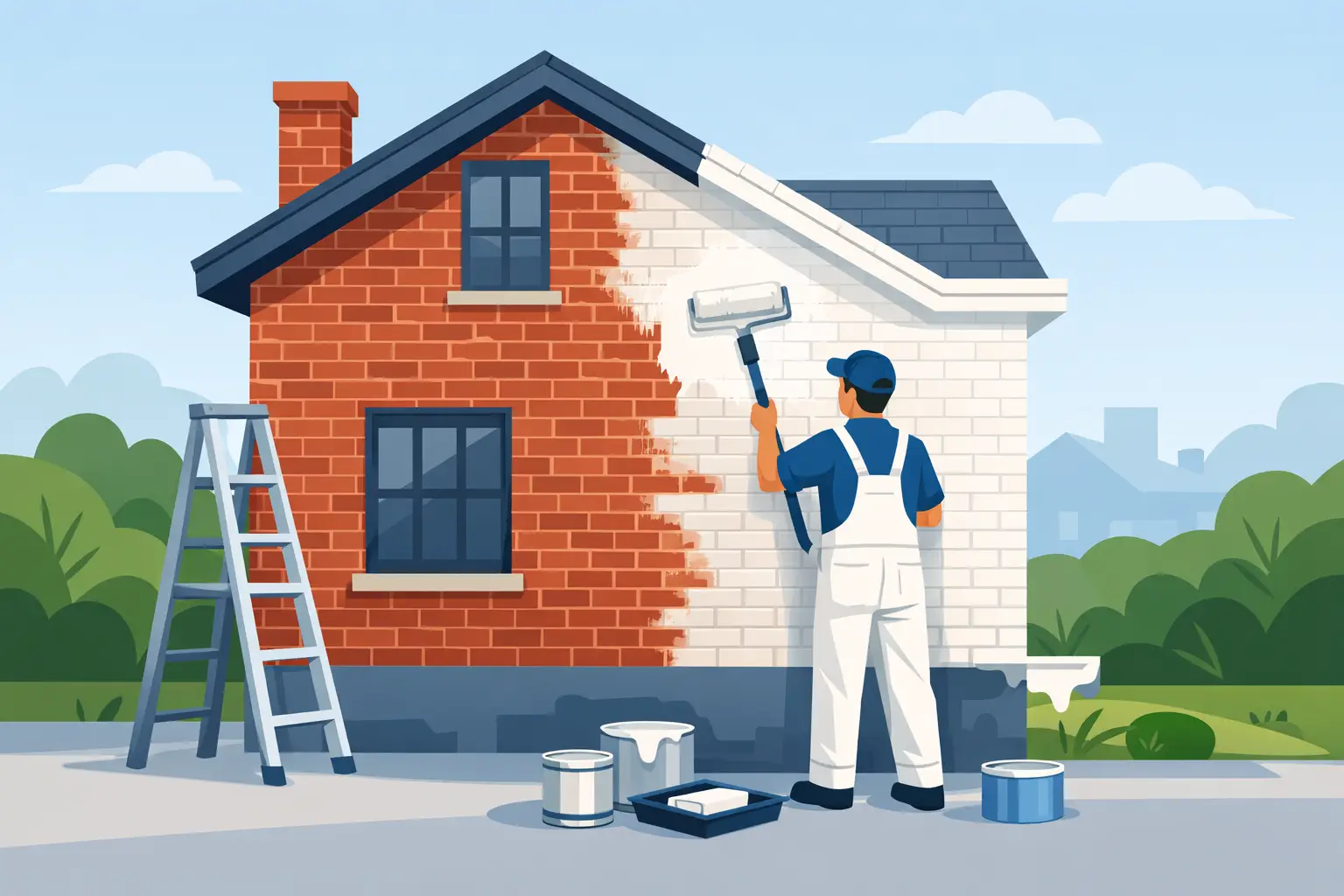
A tired brick façade can make an otherwise well-kept older home look neglected. But brick painting for older homes is not simply a matter of choosing a colour and applying two coats. Older Adelaide properties often have years of weather exposure, previous repairs, moisture issues and different brick types across the same wall. The finish is only as good as the preparation underneath it.
When the work is assessed and completed properly, painted brick can give an older property a cleaner, more cohesive look while adding another layer of protection from the elements. When it is rushed, paint can blister, peel or trap moisture where it should not.
Why older brick needs a closer look
Older homes can have solid brick walls, softer handmade bricks, ageing mortar joints or patches from past alterations. Some walls may have already been painted, while others have absorbed decades of dust, soot, salt air or garden moisture. These details affect the preparation method and the coating system needed.
Before any painting starts, the brickwork should be checked for cracking, loose mortar, efflorescence and signs of damp. Efflorescence is the white, powdery residue that appears when salts move through masonry with moisture. Painting straight over it may hide the problem briefly, but it does not stop the moisture causing it.
A professional inspection also helps separate cosmetic issues from repairs that need attention first. Hairline cracking may only require suitable filling and preparation. Wider cracks, crumbling joints or persistent damp can point to movement, drainage problems or failing flashing. Those causes need to be addressed before a paint system is expected to perform.
Is brick painting right for your home?
Painting is a practical option when the brick is already patchy, stained, previously painted or made up of mismatched repairs. It can bring extensions and older sections of a home together, improve street appeal and make a dated exterior feel more considered without the cost of rebuilding or rendering.
It is not always the best choice, though. Original face brick in sound condition can be difficult to return to once painted. On heritage-listed or character properties, there may also be planning considerations about exterior changes. If keeping the original brick appearance matters to you, professional cleaning, repointing or selective repairs may be the better path.
The decision comes down to the condition of the brick, the style of the property and what you want from the result. A straightforward assessment before quoting prevents expensive surprises later.
Preparation is where the job is won or lost
Good brick painting starts with cleaning. Exterior brickwork collects grime that can stop paint from bonding properly, particularly around driveways, garden beds, chimneys and sheltered sides of the house. The surface needs to be cleaned thoroughly, with the method chosen carefully to avoid damaging older mortar or forcing water into weak areas.
After cleaning, the wall must dry fully. This is particularly important in Adelaide through cooler or wetter periods, when shaded walls can hold moisture for longer than expected. Painting over damp masonry is one of the quickest ways to create adhesion problems.
Loose and failing paint is then removed, while sound existing paint is sanded or prepared to create a stable surface. Cracks, gaps around services and damaged mortar are repaired with materials suited to exterior masonry. Any mould or salt residue must be treated rather than simply coated over.
This stage is not glamorous, but it is where durable work differs from a quick makeover. Skipping cleaning, repairs or drying time can save a day at the start and cost much more when the finish fails early.
Do not paint over active moisture problems
Paint is not a fix for rising damp, leaking gutters, poor drainage or water entering through failed roof flashing. If the bottom of a wall stays damp, paint may bubble or flake, and the masonry can continue to deteriorate behind the surface.
Look for peeling concentrated near the ground, dark patches after rain, salt deposits, moss growth or damaged downpipes. Improving drainage, repairing roof water management and keeping soil or mulch clear of the brick can make a real difference. Once the source is controlled and the wall has dried, the painting work can proceed with far more confidence.
Choosing a coating system for Adelaide conditions
Brick is porous, so it needs a coating system designed for masonry rather than standard exterior wall paint applied without thought. The right primer helps stabilise the surface, improve adhesion and manage uneven absorption. The topcoats then provide colour, weather resistance and a finish that can be maintained over time.
Breathability matters on older brickwork. A suitable masonry coating allows water vapour to move out while resisting rain from the outside. The exact product choice depends on whether the wall is bare brick, previously painted, repaired in sections or showing signs of chalkiness and age.
Colour choice matters too. Lighter colours can make a home feel larger and reflect more heat, while darker colours give a stronger contemporary contrast but may show dust and weathering more readily. On sun-exposed elevations, very dark shades can also place more thermal stress on some surfaces. A colour that suits the roof, gutters, window frames and neighbouring homes will usually look better for longer than a trend-driven choice.
The application needs to suit the surface
Brick is not a flat plaster wall. Mortar lines, rough faces and small voids all need even coverage without filling the texture with excess paint. Depending on the wall and product, spraying may be used for efficient coverage, followed by back-rolling or brushing to work the coating into the brick and mortar joints.
Careful cutting-in around windows, eaves, pipes and external fittings keeps the result sharp. Fixtures, paths, garden areas and neighbouring surfaces should be protected before work begins. A tidy site is part of a professional job, especially when a home remains occupied during the project.
Weather also affects the schedule. Painting in direct heat, strong winds or when rain is likely can compromise the finish. A reliable painter plans the work around conditions instead of forcing paint onto a wall because it happens to be booked for that day.
Common mistakes that shorten the life of painted brick
The most common issue is treating brick like any other exterior surface. Paint applied to dirty, chalky or damp masonry may look fine at first, then begin lifting within a season or two. Another mistake is using a coating that is too restrictive for an older wall with ongoing vapour movement.
Poor repair work can be just as visible. Cracks filled with unsuitable materials may reopen, while damaged mortar left untreated can allow water behind the paint film. Rushing between coats, applying too thinly or ignoring the manufacturer’s recommended conditions can also reduce durability.
For rental properties, the temptation is often to choose the fastest possible refresh. A quick coat may help at inspection time, but repeated touch-ups become costly if the underlying surface has never been prepared properly. A sound paint system gives landlords and property managers a cleaner handover and fewer exterior maintenance headaches.
What to expect from a professional brick painting job
A proper process should begin with a clear look at the condition of the brickwork and an honest discussion about repairs, moisture risks and the finish you want. The quote should explain the preparation involved, not just list a colour and a number of coats.
During the work, you should expect protection of surrounding areas, attention to repairs, sensible weather planning and a clean site at the end of each day. The final result should look even from the street, with consistent colour across the brick faces and mortar joints, clean edges and no obvious missed patches.
Shine Painters Adelaide approaches brick painting with the same principle applied to every exterior job: no shortcuts on preparation. With more than 14 years of local hands-on experience, the focus is on a finish that looks right now and holds up through Adelaide conditions.
Older brick homes have plenty of character, and painting should support that character rather than cover up unresolved problems. Get the wall condition right first, choose the coating system carefully, and the new finish can give your home a well-maintained look you will be proud to come home to.