
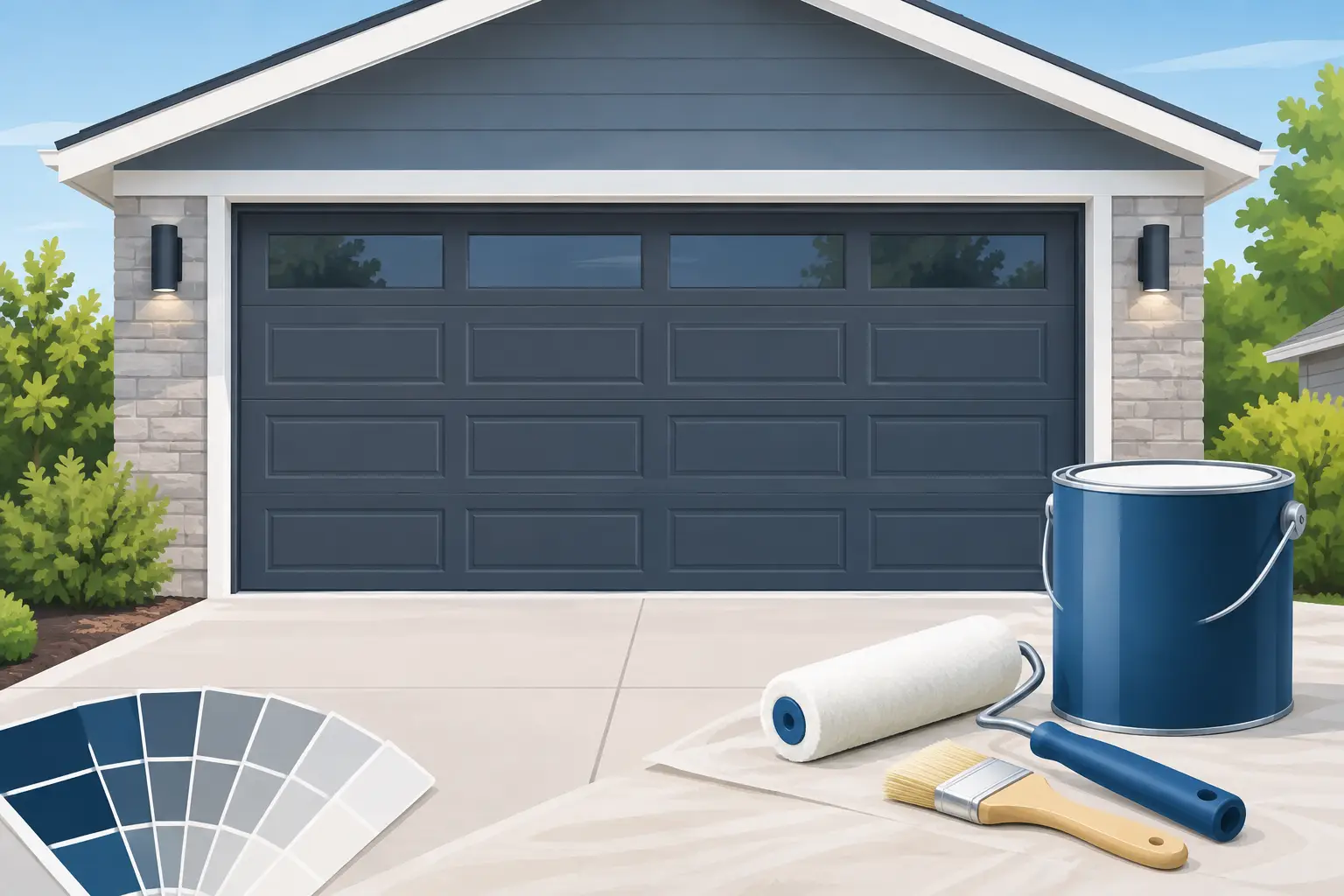
A garage door takes more punishment than most exterior surfaces. It faces hot Adelaide sun, rain, dust, road grime, fingerprints and constant movement. Choosing the best paint for garage doors is not just about finding a colour you like. The right product and preparation protect the door, improve street appeal and help avoid peeling, fading or a patchy finish a year down the track.
For most homes, an exterior-grade paint system matched to the door material is the sensible choice. The word system matters. Primer, surface preparation and topcoat need to work together. A quality topcoat cannot make up for rust left underneath, chalky old paint or a surface that has not been cleaned properly.
Best paint for garage doors by material
Before buying paint, establish what the garage door is made from. Steel, aluminium, timber, fibreglass and Colorbond-style metal all need slightly different treatment. If you are unsure, a professional painter can identify the surface and existing coating before work begins.
Steel and Colorbond garage doors
Most roller and sectional garage doors in Adelaide are steel or pre-finished metal. A premium exterior acrylic paint designed for metal is usually the best option when the door is sound and properly prepared. It remains flexible as temperatures change, holds colour well and is easier to apply than many older solvent-based products.
Bare steel, rust spots and damaged areas need an appropriate metal primer first. Rust must be removed back to a firm surface, not simply painted over. On previously painted doors, a suitable adhesion primer may be needed if the old coating is glossy, weathered or of an unknown type.
For Colorbond and similar factory-coated surfaces, use a paint system approved for pre-painted metal. Thorough cleaning is essential because dust, oxidation and airborne residue can stop fresh paint from bonding. Avoid treating it like an ordinary wall – the smooth factory finish needs more care to achieve lasting adhesion.
Aluminium garage doors
Aluminium does not rust like steel, but it can oxidise and become powdery. A specialist primer for aluminium or non-ferrous metal is usually required before applying an exterior acrylic topcoat. Skipping this step is one of the main reasons paint lifts from aluminium doors.
Check for dents, loose weather seals and worn edges while preparing the door. Paint will improve appearance, but it will not fix a door that is rubbing, scraping or catching on the tracks.
Timber garage doors
Timber garage doors need a coating that manages both weather exposure and natural movement in the timber. For a painted finish, use a high-quality exterior acrylic paint over a compatible timber primer or undercoat. This gives good UV protection and is less likely to become brittle than some older coatings.
If you want to retain the timber grain, choose an exterior timber oil or stain made for strong sun exposure. Keep in mind that clear and lightly tinted finishes generally need more regular maintenance than solid paint. They can look excellent, but Adelaide’s summer sun is demanding on exposed timber.
Fibreglass and composite doors
Fibreglass and composite doors should be cleaned, lightly sanded where recommended, and coated with a compatible exterior paint. Some surfaces need a bonding primer to ensure adhesion. Always check the door manufacturer’s advice first, especially on newer insulated sectional doors, as the wrong product or colour can affect the warranty.
Choose a finish that suits daily use
Gloss paint looks sharp on a smooth, well-maintained garage door and is easy to wipe down. The trade-off is that high gloss shows dents, roller marks and uneven preparation far more clearly. It is rarely forgiving on older doors.
Low sheen or satin is often the practical middle ground. It has a neat, modern appearance, resists dirt reasonably well and hides minor surface imperfections better than full gloss. For many residential garage doors, it delivers the best balance of appearance and maintenance.
Matt finishes can work on contemporary homes, but they mark more easily and may be harder to clean. If the door sits close to a busy street, driveway or footpath, a washable low-sheen finish is usually the safer call.
Colour choice matters more than people expect
A garage door can cover a large part of the front facade, so its colour should work with the roof, gutters, brickwork and front door rather than compete with them. Matching the garage door to the roofline or trim creates a tidy, cohesive look. A contrasting colour can work too, provided it is repeated elsewhere on the home.
Be careful with very dark colours on metal doors, particularly doors that receive direct afternoon sun. Dark paint absorbs more heat, which can make the surface extremely hot and cause expansion. On some sectional or insulated doors, this may lead to movement, distortion or warranty concerns. Check the manufacturer’s colour limits before committing to charcoal, black or deep blue.
For rental properties and homes being prepared for sale, neutral shades are usually the safest investment. Monument-style charcoals, warm greys, whites and muted beige tones tend to suit a broad range of facades and make future colour changes easier.
Preparation decides how long the paint lasts
The best paint for garage doors will still fail early if the surface is poorly prepared. Preparation is where shortcuts show up later as peeling around handles, bubbling over rust, flaking along lower edges and visible brush marks.
Start by washing the door thoroughly with a suitable cleaner to remove dirt, oil, cobwebs and chalky residue. Rinse it well and allow it to dry. Pay close attention to the bottom rail, the areas near handles and the top sections where dust settles.
Next, scrape away any loose or flaking paint and sand rough edges until they feather smoothly into the sound coating. Treat rusted steel properly, fill small dents with an exterior-compatible filler where needed, and spot-prime bare areas. Glossy sound paint should be lightly sanded to give the new coat something to grip.
Masking also matters. Tracks, handles, windows, brickwork, weather strips and adjacent render need clean protection. A neat paint job is not only about the door face. Overspray on paving, streaks on tracks and paint-clogged hardware spoil the finished result.
If your property was built before the 1970s and old paint is being removed, take extra care. Older coatings may contain lead. Avoid dry sanding or creating dust without the right safety controls, and arrange professional advice if there is any doubt.
Application tips for a smooth, even finish
Paint the garage door in suitable conditions: dry weather, moderate temperatures and no imminent rain or heavy dew. Hot metal can cause paint to dry too quickly, leaving lap marks or poor flow. Painting early in the morning before the door heats up, or later in the day once direct sun has moved, often produces a better finish.
Use the application method recommended for the paint. A roller can give an even result on broad flat panels, while a quality brush is useful for edges and detailed sections. Spraying can provide a very smooth finish, but it requires careful masking, correct equipment and control of overspray.
Apply thin, even coats rather than one heavy coat. Heavy application can sag, stick at contact points or interfere with the door’s operation before it has cured. Let each coat dry for the full stated time, and do not rush to close the door if fresh paint could touch seals, tracks or another panel.
It is also wise to disconnect or avoid operating an automatic door until the coating has dried properly. Paint that sticks to weather seals or rubs against guides will quickly lose its clean finish.
When professional painting is worth it
A straightforward repaint can be a manageable DIY job when the door is in good condition. The job becomes more involved when there is widespread rust, peeling coatings, damaged timber, difficult access, multiple doors or a large amount of masking around brick and render.
Professional painters bring the right primers, preparation methods and equipment for the substrate. They can also repair small surface issues before painting, helping the finished door look deliberate rather than simply covered over. For landlords, agents and busy homeowners, this avoids repeated touch-ups and helps keep exterior work on schedule.
At Shine Painters Adelaide, we assess the door material, existing condition and exposure before recommending a paint system. The aim is a clean, durable result that suits the property, not a quick coat that looks tired after one summer.
A freshly painted garage door should make the front of your property feel cared for every time you pull into the driveway. Choose paint for the material, prepare the surface properly and give the coating time to cure – that is how a good-looking finish earns its keep.