
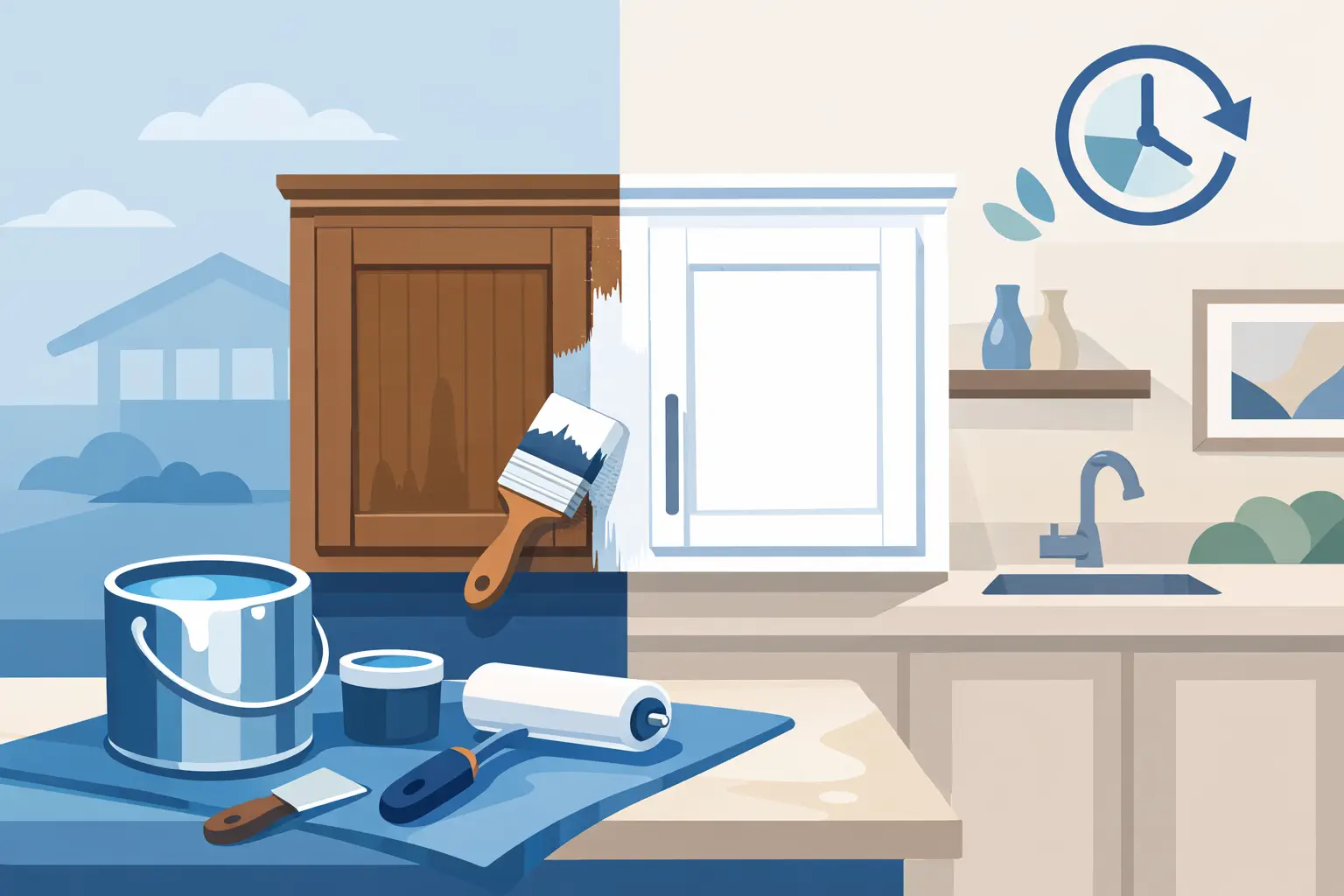
A tired kitchen usually gives itself away before anything else does. The cupboard doors are chipped around the handles, the finish looks greasy no matter how much you clean it, and the whole room feels dated even if the benchtops are still in good nick. That is why cabinet painting is often one of the smartest ways to lift a space without tearing the room apart.
For homeowners, landlords and property managers, the appeal is pretty clear. Replacing cabinetry is expensive, disruptive and often unnecessary when the cabinet boxes are still sound. A professional repaint can give the room a cleaner, more current look, improve presentation for sale or lease, and extend the life of joinery that still has plenty left in it. The catch is that cabinets are not like walls. They take more handling, more cleaning and more wear, so the prep and products matter just as much as the final coat.
Why cabinet painting needs proper preparation
If you have ever seen painted cabinets start peeling around the edges within months, the problem usually started before the paint even went on. Kitchen and bathroom cabinets collect grease, moisture, fine dust and residue from everyday use. Even in a tidy home, those surfaces need serious cleaning and sanding before they are ready to hold a new coating.
Good preparation starts with removing doors, drawers, handles and hardware where needed. That gives better access to edges, recesses and hinges, and it helps avoid the rushed look that often comes from trying to paint around everything in place. After that, the surfaces need to be cleaned properly, not just wiped over. Grease and built-up residue can stop primers and topcoats from bonding well.
Sanding is the next step, and this is where shortcuts show up later. The aim is not always to strip everything back to bare timber. In many cases, it is about dulling the existing surface and creating the right profile for adhesion. Chips, dents and worn sections may also need repairs before priming begins. If the surface has laminate, thermofoil, older enamel or previous coating failures, the prep method can change. That is why cabinet painting is one of those jobs where experience genuinely matters.
Cabinet painting or replacement?
It depends on what shape the cabinets are in. If the carcasses are solid, the doors are aligned properly and the damage is mostly cosmetic, painting is often the more practical choice. It costs far less than full replacement and creates much less disruption in the home or workplace.
If there is major water damage, swollen board, failing hinges throughout or a layout that simply does not work, replacement may be the better investment. Painting will not fix structural problems. It improves appearance and surface performance, but it cannot turn poor-quality cabinetry into brand new joinery.
For many Adelaide properties, especially rentals and older homes with sound cabinets, repainting sits in the sweet spot. You improve the look of the room, avoid a lengthy renovation and keep the budget under better control.
What affects the finish in cabinet painting
The biggest difference between an average result and a finish you are proud to show off usually comes down to three things – surface preparation, product choice and application method.
Product choice matters because cabinets deal with regular touching, cleaning and humidity. Walls can hide minor flaws. Cabinet doors cannot. A coating system for cabinetry needs good adhesion, hardness and washability once cured. The right primer is just as important as the topcoat, especially when working over glossy finishes, laminate or stained timber.
Application also affects the final look. Some cabinet surfaces suit spray application for a smooth, factory-style finish. Others may involve a mix of spray and hand application depending on access, site conditions and the level of protection required in the property. There is no one-size-fits-all method. The best approach depends on the cabinet material, the condition of the room and how the work will be staged.
Drying time and curing time are another area where people get caught out. Paint may feel dry to the touch quickly, but that does not mean it has fully hardened. Cabinets need time before they can handle heavy use, repeated wiping and knocks from pots, bags or keys. Rushing reinstallation or use can mark the finish before it has had a chance to cure properly.
Best spaces for painted cabinets
Kitchens are the obvious one, but they are not the only area where cabinet painting makes a difference. Bathroom vanities, laundry cupboards, built-in storage, office joinery and some commercial cabinetry can all benefit from a professional repaint when the structure is sound.
For rental properties, this can be especially useful. A full kitchen replacement can blow out the turnaround budget and delay new tenants. Repainting worn but functional cabinets is often a faster way to freshen the space, improve inspection appeal and present the property as clean and well maintained.
In commercial settings, appearance matters too. Reception storage, staff kitchen cabinetry and built-in joinery all contribute to first impressions. If the surfaces are scratched, faded or dated, repainting can sharpen the look of the premises without major fit-out costs.
Choosing colours for cabinet painting
Most people start with white, off-white or light grey because they want the room to feel brighter and cleaner. Those are solid options, especially in smaller kitchens or older homes where natural light is limited. But not every cabinet job needs to be pale. Deeper tones can work well in larger spaces, period homes or contemporary interiors when balanced with the right splashback, flooring and benchtop colours.
The practical side matters as much as the style side. Very dark finishes can show fingerprints and dust more easily. Very bright whites may highlight existing flaws if the cabinetry is older and has some movement or wear. That does not mean you avoid them, only that colour selection should suit the condition of the cabinets and the way the space is used.
An experienced painter will also look at the room as a whole. Cabinet colour should work with walls, trim, flooring and lighting, not just the sample card in isolation.
What to expect from a professional cabinet painting job
A proper process should feel organised from the start. That means a clear quote, honest advice on whether the cabinets are worth painting, and a realistic outline of timing. It also means protecting nearby surfaces, keeping the work area tidy and handling the prep thoroughly rather than trying to get paint on as fast as possible.
In many cases, doors and drawers may be removed and finished separately for a cleaner result. Hardware may be labelled and stored so everything goes back where it belongs. If minor repairs are needed, they should be dealt with before the finish coats go on. None of that is glamorous, but it is what makes the final result look sharp and last longer.
This is also where working with an experienced local team helps. At Shine Painters Adelaide, cabinet work is approached like any other specialised surface – with the right prep, the right coating system and no shortcuts just to shave time off the job.
Common mistakes in cabinet painting
The most common mistake is underestimating the prep. Cabinets are high-touch surfaces, and any weakness in cleaning, sanding or priming usually shows up fast. Another issue is using the wrong paint. General wall products are not made for the same level of handling and can wear poorly.
Painting over damage without repairs is another problem. Chips, swollen sections and failing old coatings tend to print through the new finish. Finally, poor scheduling can cause trouble. If a kitchen needs to be back in use too quickly, the finish may not get the time it needs to cure properly.
Is cabinet painting worth it?
If your cabinets are solid and the main issue is appearance, usually yes. Cabinet painting can transform a room for a fraction of replacement cost, with less mess and less downtime. It is not the right answer for every job, and a good painter will tell you when the substrate is too far gone. But where the cabinets are structurally sound, it is one of the most practical upgrades you can make.
The best results come from treating it as a surface restoration job, not a quick cosmetic fix. When the preparation is done properly, the products are suited to the material and the finish is given time to cure, painted cabinets can look clean, modern and durable for years.
If your kitchen, bathroom or storage joinery is dragging the whole room down, cabinet painting may be the simplest way to bring it back into line without committing to a full renovation. A fresh finish will not just change the cupboards – it can change how the whole space feels every time you walk into it.