
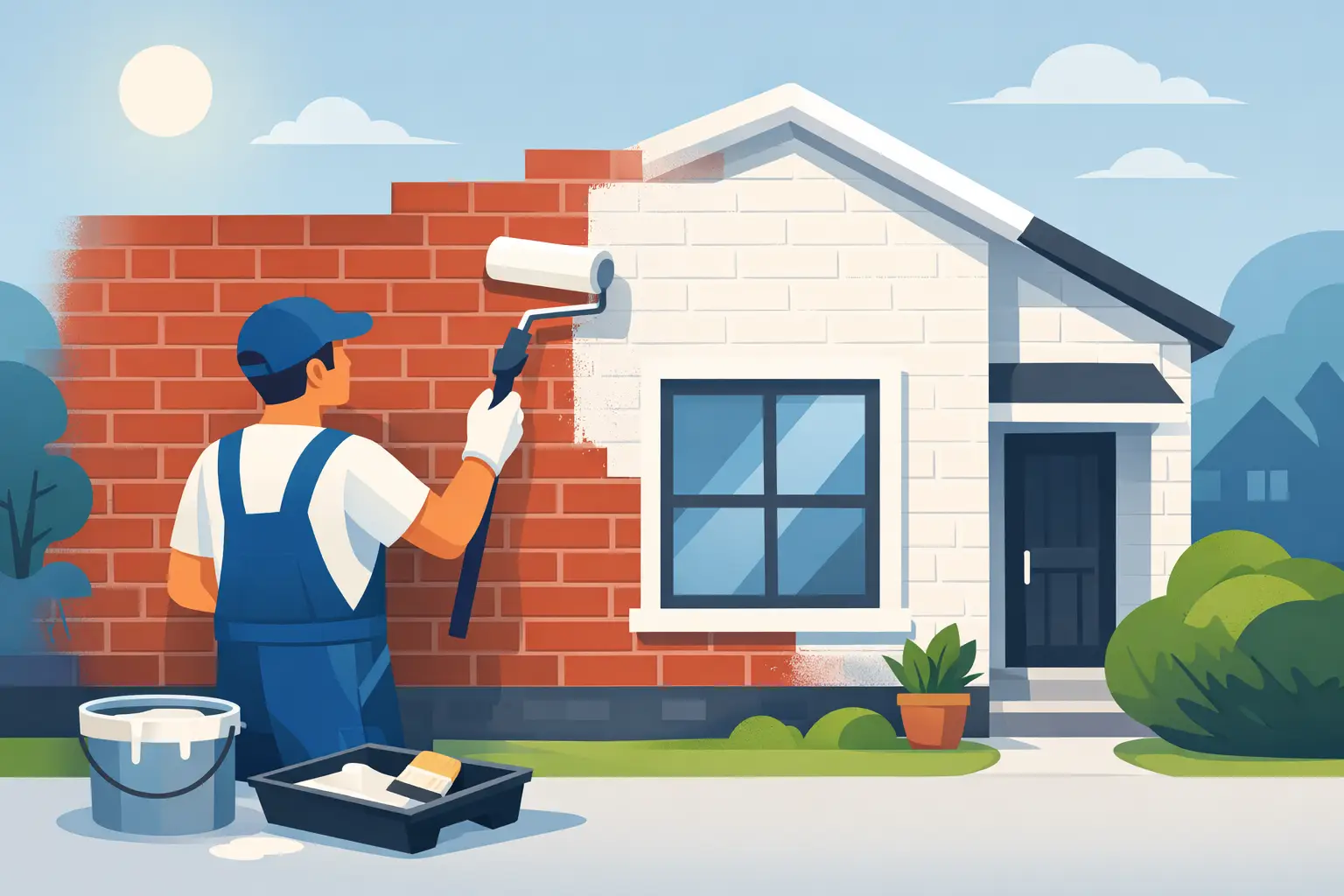
Freshly painted brick can lift the whole front of a property, but it is not a job that forgives rushed prep. If you are looking into how to paint brick exterior surfaces, the biggest thing to understand is this: the finish is only as good as the cleaning, repairs and priming underneath it. Get those right, and painted brick can look sharp and hold up well in Adelaide conditions.
Brick is different from standard rendered walls or plasterboard. It is porous, it collects dust and salts, and older brickwork can hide hairline cracks, mortar damage or previous coatings that are already failing. That is why a proper brick painting job starts well before the first coat goes on.
Should you paint exterior brick at all?
Sometimes the answer is yes. Sometimes it is better to leave it alone.
If the brick is tired, patchy, heavily stained or part of an outdated facade, painting can be a smart way to modernise the property and improve street appeal. It can also help create a cleaner, more consistent look when there have been repairs, extensions or mismatched brickwork over time. For landlords and sellers, it can be a practical upgrade that makes a property present better without a full rebuild.
But painting brick is not a small cosmetic change. Once brick is painted, it usually needs ongoing maintenance like any other coated exterior surface. Natural brick has its own look and lower maintenance appeal, so if the brick is in excellent condition and you like its character, painting may not be the right move.
The other key factor is moisture. Brick needs to be sound and dry before painting. If there is rising damp, trapped moisture, efflorescence or crumbling mortar, those issues need to be fixed first. Paint will not solve them. In some cases, it can make them more obvious later.
How to paint brick exterior surfaces step by step
The method matters because brick absorbs paint differently from smoother surfaces. A quick wash and a cheap top coat might look fine for a month or two, then start peeling, blistering or showing patchiness.
Start with a full inspection
Before any cleaning or painting, inspect the wall closely. Look for loose mortar, cracks in the joints, chalky residue, mould, flaking old paint and signs of water getting in around windows, sills and downpipes. Pay attention to whether the brick has been painted before. If an existing coating is failing, it may need scraping, sanding and spot treatment before anything new goes over the top.
This first stage tells you whether the wall is ready for paint or whether repairs come first. Skipping that call early usually costs more later.
Clean the brick properly
Exterior brick needs a proper clean so the primer and paint can bond. Dirt, cobwebs, traffic grime, mildew and loose material all interfere with adhesion.
In many cases, a pressure wash helps, but it needs to be done with care. Too much pressure can damage mortar joints, especially on older homes. Some walls also need a treatment for mould or mildew. If there is efflorescence, that white powdery salt deposit, it should be brushed off and the source of moisture checked before painting begins.
After washing, the wall must dry fully. This part tests patience, but painting over damp brick is asking for trouble.
Repair cracks and mortar joints
Once the surface is clean and dry, repair any cracks, gaps or damaged pointing. Brick painting is not just about the face of the bricks. Mortar joints are part of the finish, and if they are loose or crumbling, the final result will never look neat or last well.
Small cracks can often be sealed, while more worn joints may need repointing. Any failed caulking around trims, windows or penetrations should also be replaced. This helps both appearance and weather protection.
Protect nearby surfaces
Brick exteriors often sit next to windows, paving, gutters, garden beds, fences and feature trims. Masking and drop sheets are not glamorous, but they are part of doing the job properly. Overspray and drips are much easier to prevent than remove.
A tidy setup also speeds up the work and helps deliver a sharper finish around edges and detail areas.
Use the right primer
If there is one stage that often separates a decent result from a long-lasting one, it is priming. Brick is porous, and a quality masonry or exterior primer helps seal the surface, even out absorption and improve adhesion for the top coats.
The exact primer depends on the condition of the brick. Bare brick, previously painted brick and problem surfaces with stains or chalkiness may all need a different approach. This is one of those areas where product choice really matters. Cheap systems can save money upfront and cost more in repainting later.
Apply two quality top coats
After the primer has cured properly, apply exterior masonry paint or a suitable premium exterior coating designed for brick surfaces. Two coats are generally the standard for solid coverage, better durability and a more even finish.
Brushes and rollers are often used together, especially for working paint into textured brick and mortar joints. Spraying can speed things up on some projects, but it still usually needs back-rolling or back-brushing to push paint into the surface properly. Brick is full of pits, joints and rough spots, so full coverage matters.
Drying times, weather conditions and sun exposure all affect the process. Painting in harsh direct heat or when rain is likely is not ideal. Good timing is part of good workmanship.
Choosing the right paint and colour
Exterior brick paint needs to do more than look good on day one. It should handle UV exposure, temperature changes and general weathering without breaking down too quickly.
A breathable coating is often the safer option for masonry because it allows moisture vapour to escape rather than trapping it behind the film. That does not mean every wall needs the same product. It depends on the age of the home, the condition of the brick and whether it has been painted before.
Colour choice matters too. Lighter shades tend to reflect more heat and show less fading over time, while darker colours can create a bold look but may absorb more heat and show dust sooner. On some facades, a warm white or soft greige can modernise the property without making it feel flat or harsh. The right choice depends on the roof, trims, gutters and overall style of the building.
Common mistakes that cause paint failure
Most brick paint failures come back to shortcuts. Painting over dirt, moisture or unstable old coatings is a common one. Using the wrong primer is another. So is treating brick like a smooth wall and not working paint properly into the joints and texture.
Another issue is ignoring repairs. Paint can improve appearance, but it does not fix structural cracking, broken mortar or water entry. If those problems are left underneath, the finish usually suffers.
There is also the temptation to turn it into a weekend DIY job without allowing for weather, drying time or access. Single-storey front walls are one thing. Multi-level exteriors, older brickwork and occupied rental properties are another.
DIY or hire a professional?
That depends on the size of the job, the condition of the brick and how much risk you are comfortable taking on.
A small, accessible brick wall in good condition may be manageable for a capable DIYer with the right prep and materials. But full exterior brick painting is often more involved than people expect. There is surface diagnosis, washing, repairs, masking, priming, careful product selection and safe access to think about.
For larger homes, weather-exposed facades or properties with existing paint failure, professional help usually makes sense. A proper painting team can handle the preparation, identify problem areas early and deliver a more even, durable finish. That is especially important for landlords, agents and business owners who need the place looking right without drawn-out disruption.
At Shine Painters Adelaide, we see this regularly with older homes and investment properties. The painting itself is only one part of the result. The real difference is in the prep, the repairs and using a system that suits the brick.
What to expect after painting brick
A well-painted brick exterior should look cleaner, more consistent and easier on the eye from the street. It can freshen an ageing facade, help tie old and new sections together and give the property a more finished appearance.
It will still need maintenance over time. Exterior surfaces face sun, dust and weather, and painted brick is no exception. The good news is that when the job is done properly from the start, maintenance is much simpler than dealing with early peeling or patch repairs.
If you are weighing up how to paint brick exterior walls, think beyond the colour chart. The best results come from treating it as a full surface restoration job, not just a quick coat of paint. Done properly, painted brick can be something you are proud to pull up to every day.